Module 3: Basic Electricity for HVAC

Module 3: Basic Electricity for HVAC Featured Image

Module 3: Basic Electricity for HVAC
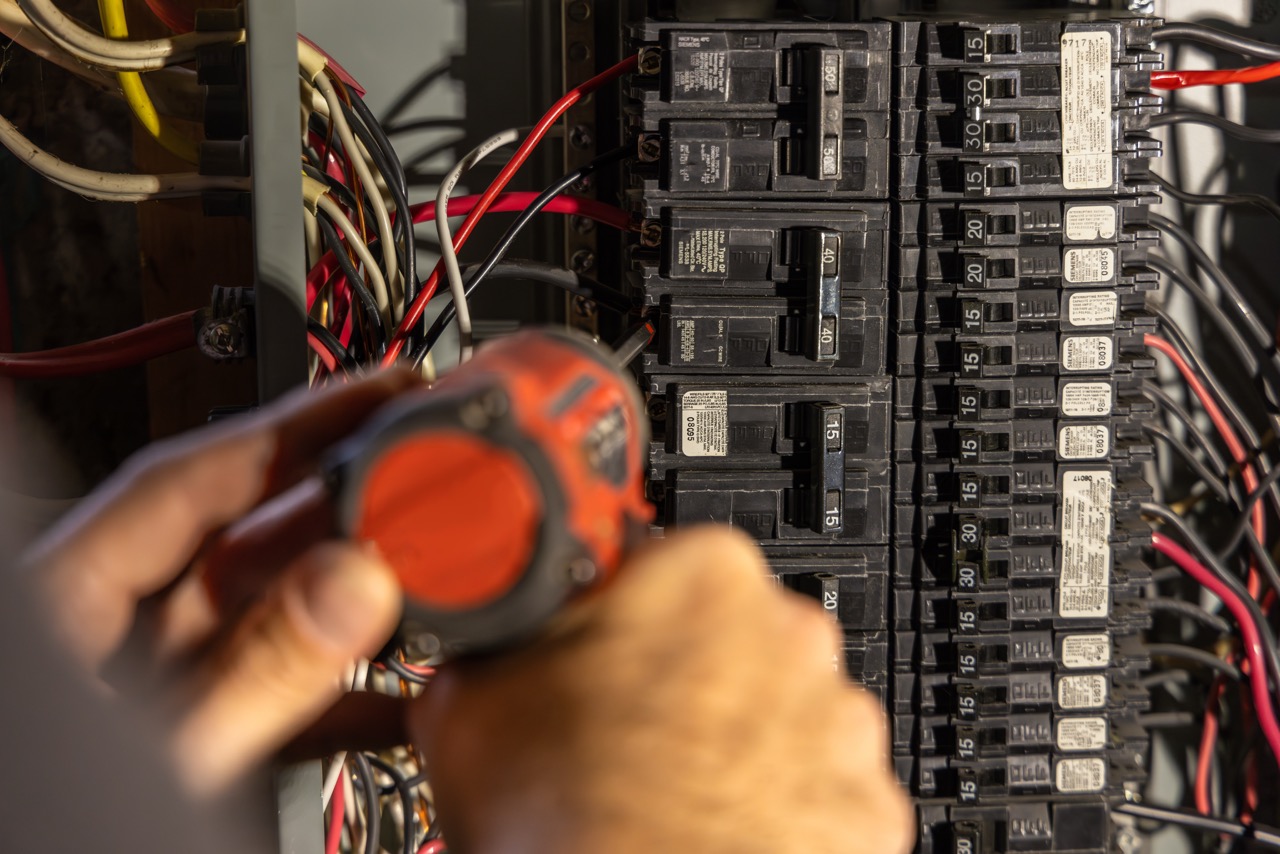
Master the electrical principles behind every HVAC system. Module 3 covers atomic theory, voltage, current, resistance, power, Ohm’s Law, Watt’s Law, circuit types, and the key electrical components — transformers, capacitors, contactors, relays, fuses, and circuit breakers — that technicians encounter every day.

More Information

Description & Topics

Electricity powers nearly every component in today’s heating, ventilation, air conditioning, and refrigeration (HVAC/R) systems. From thermostats and control boards to compressors, blower motors, condenser fan motors, and safety controls, electrical energy allows HVAC equipment to operate safely and efficiently.

Before an HVAC technician can diagnose electrical problems or replace electrical components, they must first understand the basic principles of electricity. This includes learning how electricity is produced, how it flows through a circuit, and how voltage, current, resistance, and power work together.

In this lesson, students will explore the fundamentals of electricity, beginning with atoms and electrons and progressing through the basic electrical concepts used every day in the HVAC industry. This knowledge will provide the foundation for future lessons on electrical troubleshooting and HVAC controls.

Electricity powers nearly every component in today’s heating, ventilation, air conditioning, and refrigeration (HVAC/R) systems. From thermostats and control boards to compressors, blower motors, condenser fan motors, and safety controls, electrical energy allows HVAC equipment to operate safely and efficiently.

Before an HVAC technician can diagnose electrical problems or replace electrical components, they must first understand the basic principles of electricity. This includes learning how electricity is produced, how it flows through a circuit, and how voltage, current, resistance, and power work together.

In this lesson, students will explore the fundamentals of electricity, beginning with atoms and electrons and progressing through the basic electrical concepts used every day in the HVAC industry. This knowledge will provide the foundation for future lessons on electrical troubleshooting and HVAC controls.