Module 5: Heating Systems

Course Access


Enroll Now
Access The Course
Module 5: Heating Systems Featured Image

Module 5: Heating Systems
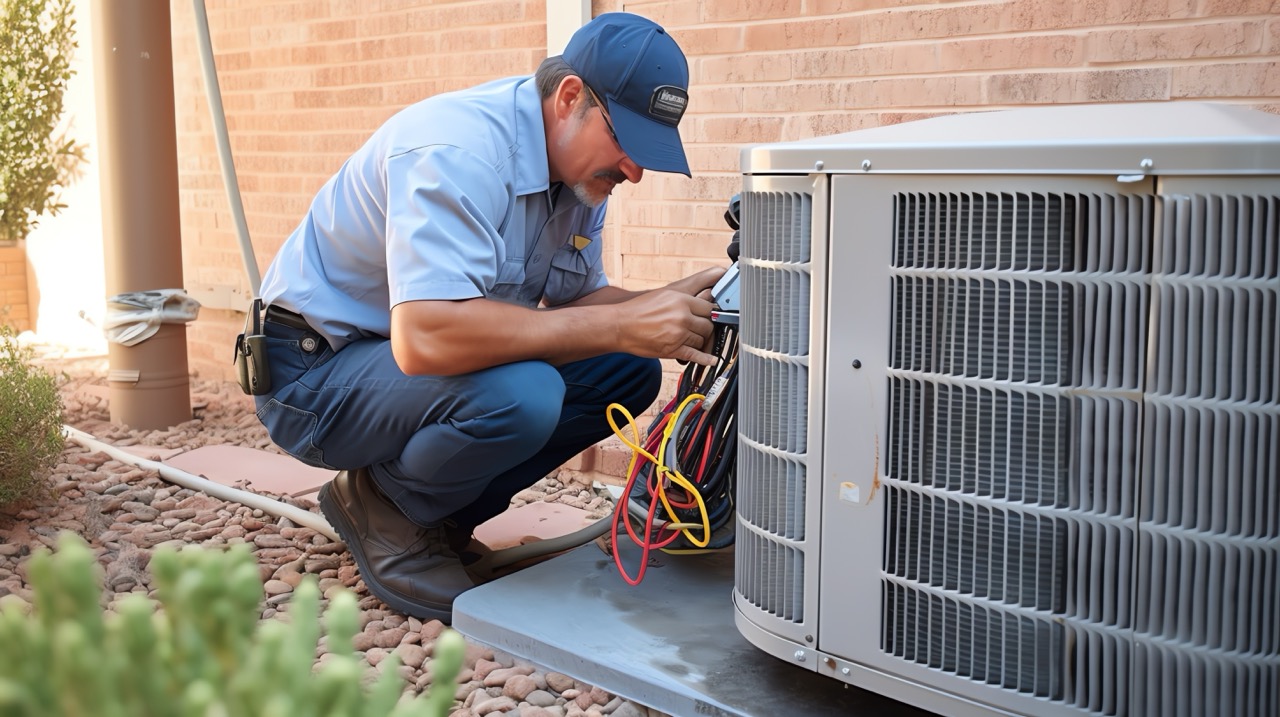
Master the fundamentals of residential and light commercial heating systems. Module 5 covers gas combustion, furnace operation, electric heating, and heat pump technology — giving students the hands-on knowledge needed to install, diagnose, and service today’s most common heating equipment.

More Information

Description & Topics

Module 5: Heating Systems provides a comprehensive introduction to the three primary heating technologies used in modern HVAC systems. Students begin with gas heating fundamentals — learning the principles of combustion, how gas furnaces operate, and the critical safety controls that protect both equipment and occupants. From there, the module transitions to electric heating systems, covering heat strips, electric furnaces, and how resistance heating generates and distributes heat throughout a structure.
The final section focuses on heat pumps, one of the fastest-growing technologies in residential HVAC.

Students learn how heat pumps extract heat from outdoor air during heating mode, how the defrost cycle prevents ice buildup on the outdoor coil, and how auxiliary and emergency heat integrate with the system to maintain comfort in extreme cold.

Each section includes real-world troubleshooting scenarios, knowledge checks, and a 25-question final examination. Upon passing, students will be prepared to work confidently on gas furnaces, electric heating systems, and heat pump equipment in the field.

Module 5: Heating Systems provides a comprehensive introduction to the three primary heating technologies used in modern HVAC systems. Students begin with gas heating fundamentals — learning the principles of combustion, how gas furnaces operate, and the critical safety controls that protect both equipment and occupants. From there, the module transitions to electric heating systems, covering heat strips, electric furnaces, and how resistance heating generates and distributes heat throughout a structure.
The final section focuses on heat pumps, one of the fastest-growing technologies in residential HVAC.

Students learn how heat pumps extract heat from outdoor air during heating mode, how the defrost cycle prevents ice buildup on the outdoor coil, and how auxiliary and emergency heat integrate with the system to maintain comfort in extreme cold.

Each section includes real-world troubleshooting scenarios, knowledge checks, and a 25-question final examination. Upon passing, students will be prepared to work confidently on gas furnaces, electric heating systems, and heat pump equipment in the field.